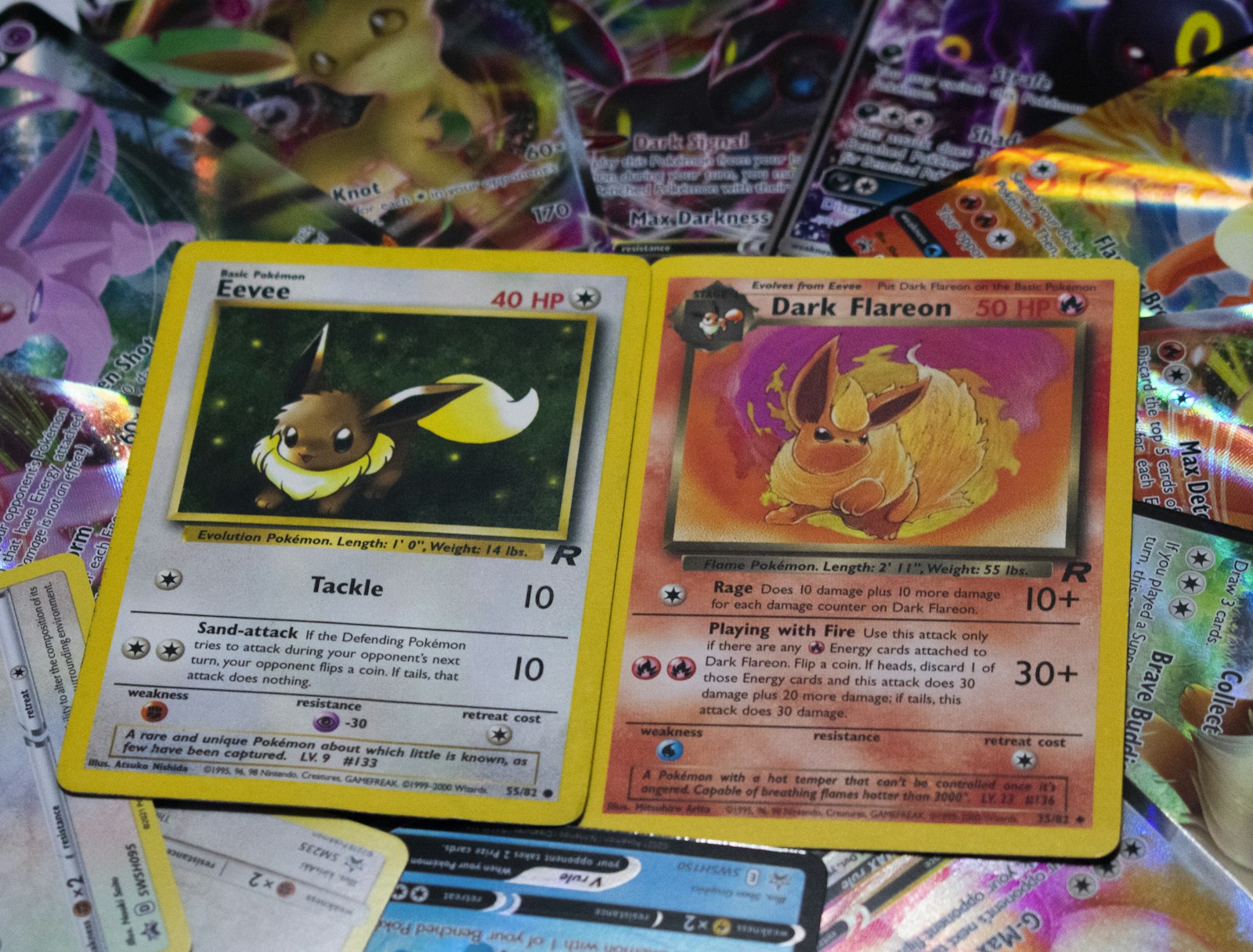
Selling path changes the real value
When collectors ask what a Pokemon card is worth, they often mean the headline market price. When they sell, the better question is different: what can I realistically keep after time, fees, condition review, shipping, and risk?
Buylists and marketplaces solve different problems. Neither is always best.
What a buylist is good for
A buylist is a store or platform offer to buy specific cards at posted rates. The appeal is speed and simplicity. You submit cards, follow condition rules, ship them, and receive payment or store credit if accepted.
Buylists can work well for:
- Playable cards with clear demand
- Medium-value singles
- Bulkier batches where speed matters
- Cards you do not want to photograph and list individually
- Store-credit goals
The tradeoff is that the buylist price is usually below retail market value because the buyer needs margin.
What a marketplace is good for
Marketplace selling can produce higher gross prices because you reach end buyers directly. It also adds work: photos, descriptions, messages, shipping, fees, returns, and condition disputes.
Marketplaces can work better for:
- High-demand singles
- Graded cards with clear certs
- Sealed products with strong photos
- Scarce variants
- Cards where condition supports a premium
Use the seller fee calculator guide before assuming the higher sale price becomes higher net proceeds.
Condition risk is different
With a buylist, the buyer may downgrade cards after inspection. With a marketplace, the buyer may question condition after delivery. Both paths need honest grading and good photos.
For raw cards, inspect centering, whitening, surface, edges, dents, and print lines before choosing a path. The condition guide and condition photo log guide help keep that review consistent.
Speed has value
If you need to free up budget quickly, a buylist can be worth the lower price. If you are optimizing every dollar and have time to list properly, marketplaces may fit better.
The wrong choice is usually emotional: sending a premium card to a low buylist because you are tired, or spending hours listing cheap cards where the fee-adjusted return is not worth it.
Split the collection by lane
Most collections should not use one selling path for everything. Consider:
- Buylist for easy movers and lower-effort batches
- Marketplace for high-demand or condition-premium cards
- Local sale or card show for trades and cash negotiation
- Hold pile for cards where price is not worth the effort yet
The card show selling checklist covers the local-event lane.
Log the final net number
After selling, record the sale path, gross price, fees, shipping, store credit, cash received, and date. That tells you which path actually worked for your collection instead of relying on memory.
A Pokemon card collection app is useful because sold cards leave your inventory with context instead of disappearing from a spreadsheet.
The simple rule
Pokemon card buylists are best when speed, simplicity, and batch cleanup matter. Marketplaces are better when the card deserves individual presentation and the net proceeds justify the work. Compare net value, not just headline price, before choosing where to sell.