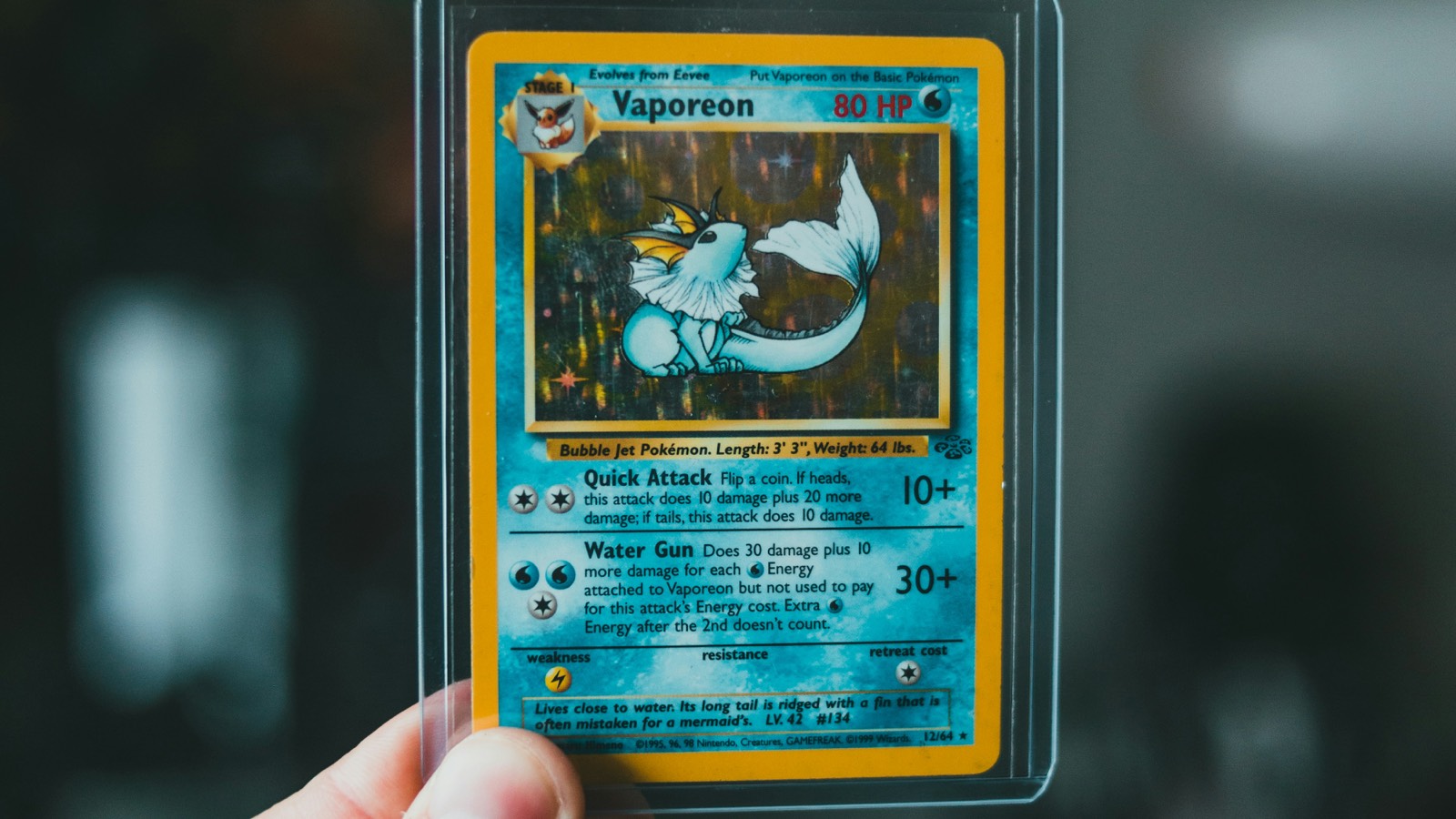
Grading is a decision, not a default upgrade
Pokemon card grading can protect a card, confirm authenticity, and make resale easier. It can also turn a good raw card into an expensive wait if the grade does not land where the market needs it. The right question is not "Should I grade my best cards?" It is "Which cards have enough condition, demand, and upside to justify the fee?"
Start with exact card identity
Before checking grading math, confirm the exact card. Similar artwork, promos, language variants, and reprints can produce very different graded outcomes. A scanner or database workflow should confirm:
- Card name
- Set and collector number
- Language
- Variant or promo status
- Raw market range
Use the Pokemon card scanner first if identity is uncertain, then compare value with the Pokemon card price checker. Grading the wrong printing is one of the easiest ways to waste money.
Condition is the main filter
A card does not become a strong grading candidate because it is popular. It becomes a candidate when condition supports the grade you need. Check front, back, corners, edges, centering, surface scratches, dents, whitening, print lines, and foil damage under consistent light.
Many cards are worth protecting but not grading. That distinction matters. A card can be a great binder copy, trade piece, or raw sale while still falling short of a profitable grading target.
The pre-grade inspection checklist is the safer next step before submitting anything expensive.
Compare raw value against realistic graded value
Do not compare your raw card to the highest graded listing. Compare it to realistic outcomes. If your card is likely an 8 or 9, the PSA 10 price is not your expected result. Build the decision around several grades:
- What is it worth raw today?
- What is the likely grade range?
- What do recent sold listings show for those grades?
- What are grading, shipping, insurance, and selling fees?
- How long will your money be tied up?
If the card needs a perfect grade to make sense, it is usually a risky candidate.
When grading makes the most sense
Grading tends to be strongest for cards where authenticity, condition confidence, or premium presentation changes buyer behavior. That often includes vintage holos, clean chase cards, high-demand promos, scarce variants, and cards where raw condition is hard to trust online.
It is weaker for low-value modern cards, cards with obvious flaws, common pulls with thin graded premiums, and cards you mainly want to enjoy in a binder.
Track candidates before submitting
A good grading workflow starts before the package leaves your desk. Record candidate card, condition notes, photos, estimated grade, raw value, expected graded value, service level, submission date, and return status.
A Pokemon collection app helps because grading candidates should not disappear from your normal inventory while they are away.
The simple rule
Grade Pokemon cards when exact identity, condition, market demand, and fee math all support the decision. If one of those pieces is weak, keep the card raw, protect it well, and revisit the grading decision when the numbers are clearer.