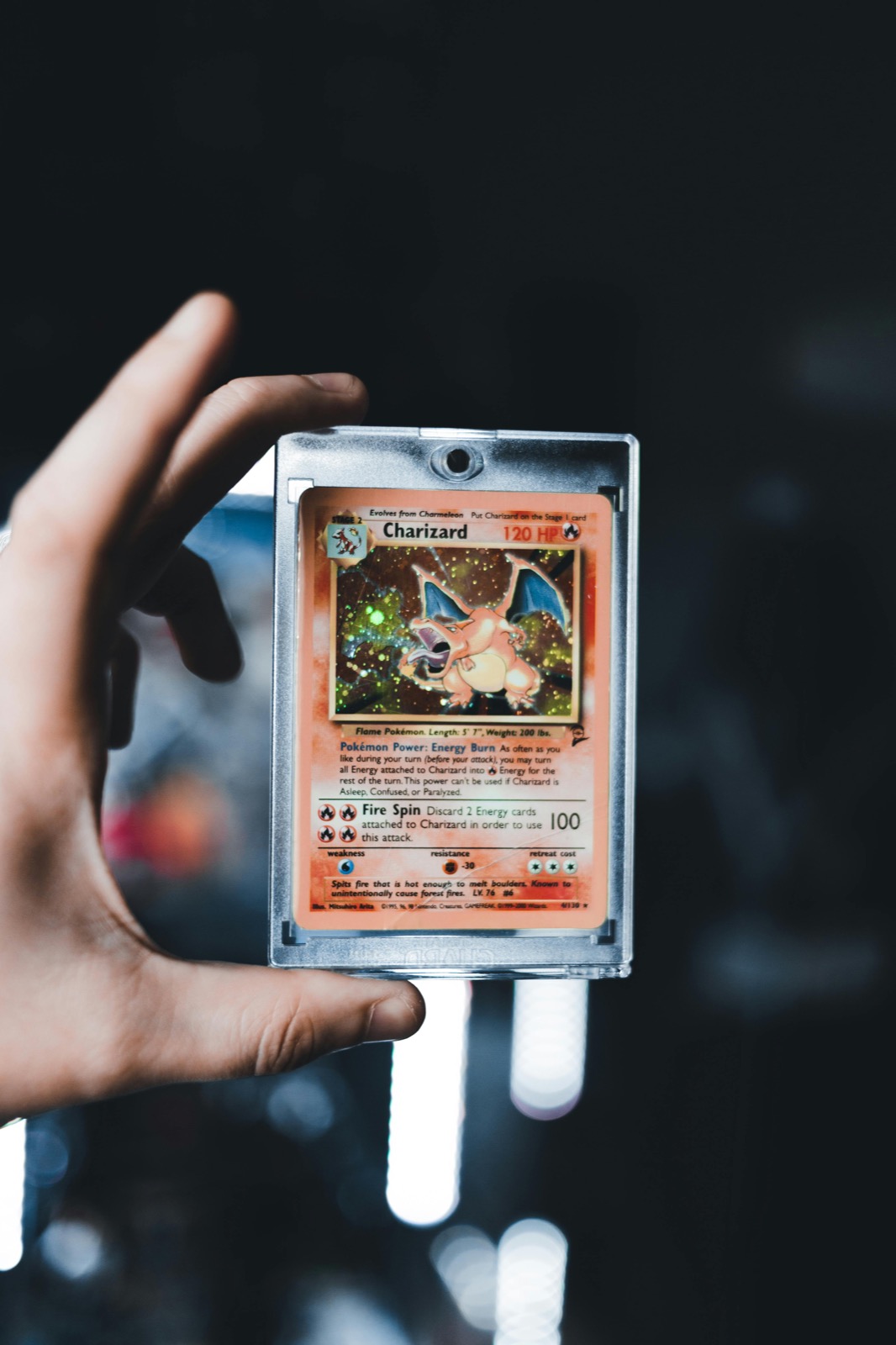
A spike is a signal, not a guarantee
Pokemon card prices can jump after tournament results, influencer attention, low supply, buyouts, new product news, grading trends, or a sudden wave of collectors chasing the same card. The first number you see may be real, temporary, exaggerated, or based on thin sales.
The goal is to understand the spike before you buy, sell, or hold.
Confirm sold comps first
Do not use active listings as proof that a card is worth more. Check recent sold comps, condition, language, grade, variant, and shipping. A few high listings can make the market look stronger than actual buyers are willing to pay.
Use the market price vs listing price guide when the difference between ask price and sale price is unclear.
Look for the cause
A price spike is easier to judge when you know why it happened. Common causes include:
- Playable demand after tournament results
- A card becoming harder to find
- A social media trend
- A character or artwork getting attention
- Low graded population in a specific grade
- Reprint fears easing or increasing
- New set synergy
- Sealed product drying up
If you cannot find a reason beyond a few sellers raising prices, treat the spike cautiously.
Check liquidity
A card can show a high market price and still be hard to sell. Liquidity means buyers are actually completing sales at the new level. Look for multiple recent transactions, not one outlier.
This is especially important for niche variants, expensive raw cards, trophy cards, error cards, and cards with condition-sensitive demand.
Review reprint and restock risk
Modern cards can cool quickly if more supply enters the market. Before chasing a spike, check whether the set is still active, whether products are restocking, and whether the card could be reprinted or replaced.
The reprint risk guide and restock guide help separate real scarcity from short-term supply pressure.
Decide whether the spike changes your plan
If you already own the card, decide whether the new price moves it into a sell, hold, grade, or trade lane. If you do not own it, decide whether the card still fits your wants list at the new price.
Good questions:
- Would I buy this card today at the new price?
- Is the spike supported by several sales?
- Is my copy in the condition buyers want?
- Would selling now help fund a higher-priority goal?
- Am I reacting to urgency or evidence?
Update your watchlist
Record the old price, new price, spike reason, last reviewed date, and your target action. A Pokemon card collection app is useful because price movement can live beside your actual holdings instead of in scattered screenshots.
If you sell into a spike, log the net proceeds, not only the headline sale price.
The simple rule
A Pokemon card price spike deserves verification before action. Confirm sold comps, identify the cause, check liquidity, consider reprint risk, and compare the move against your collecting plan. A spike can be an opportunity, but only if the evidence is stronger than the excitement.