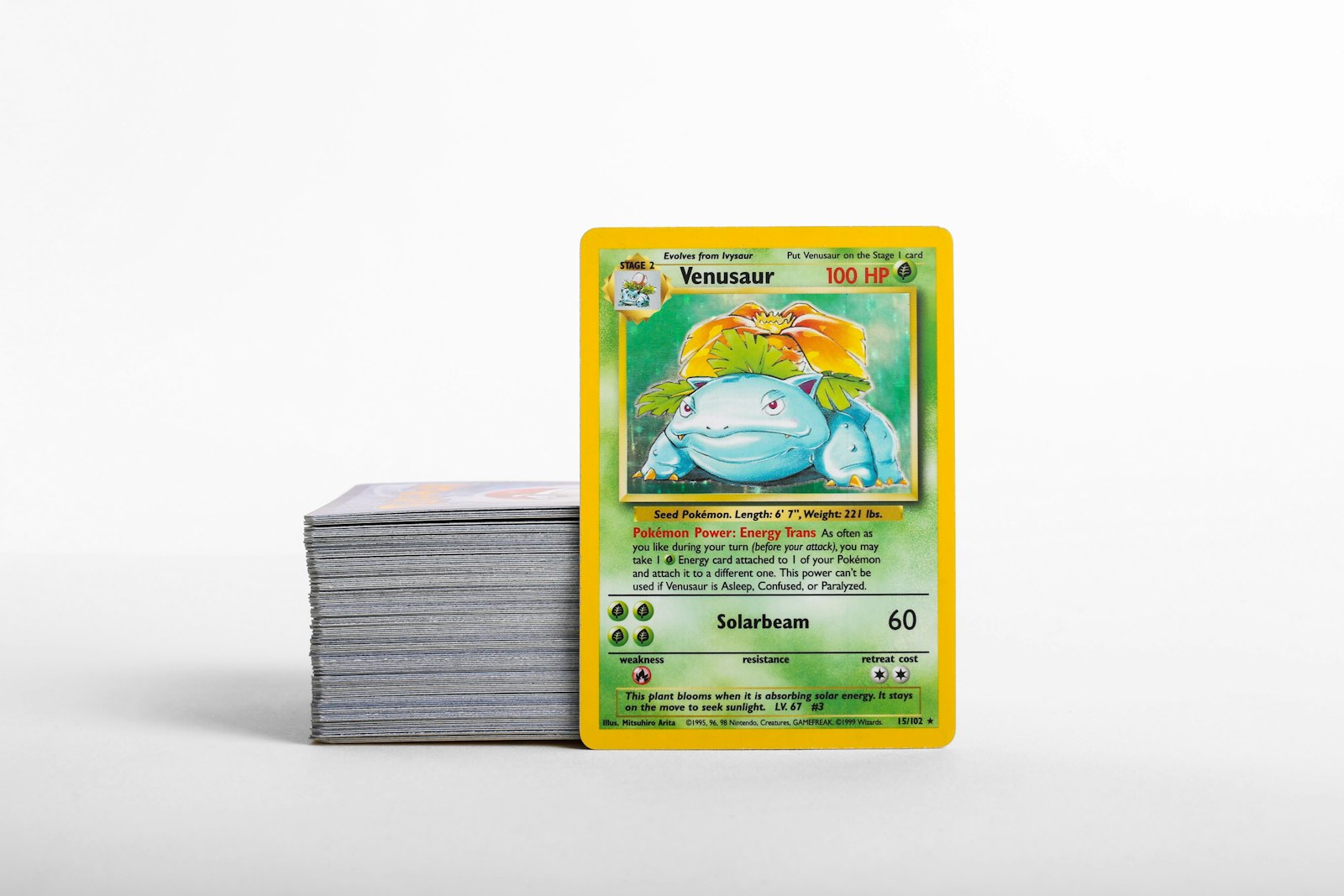
Storing raw Pokemon cards safely requires more than dropping a fresh pull into a random binder pocket. Even when cards stay safely inside a display binder or storage box, subtle mechanical friction can slowly degrade cardboard edges, cloud glossy holofoil finishes, and soften crisp corners. Many collectors only notice micro-abrasions when taking a card out for trading or grading preparation, long after avoidable storage habits caused the damage.
Preventing secondary wear starts with recognizing how raw cards interact with sleeves, binder materials, and box dividers. By establishing clear protection tiers based on card wear and handling habits, you can keep your binder copies and storage inventory in top condition without overspending on supplies.
The Hidden Threat of Micro-Abrasion in Raw Card Collections
Micro-abrasion refers to fine, hairline scratches across a card's top surface or foil layer. Unlike deep surface scratches caused by sharp objects or debris, micro-abrasions accumulate gradually through minor movement inside protective holders.
When raw cards shift inside loose sleeves or slide around during transport, tiny dust particles trapped between the card surface and the sleeve interior act like soft sandpaper. Over months or years, this continuous light friction dulls holofoil sheen and creates micro-scratches visible under direct lighting.
Corner wear happens through a similar physical process. Every time a card is pushed into a narrow sleeve or tight binder pocket without proper alignment, the sharp cardboard corners absorb point pressure. Over time, the layers of paper stock begin to separate, turning sharp 90-degree corners into softened or whitened edges.
Identifying High-Friction Storage Hazards
Before adjusting your protection routine, inspect your current setup for common sources of friction damage. Physical hazards usually stem from improper sizing, low-quality plastic materials, or poor storage orientation:
- Rough Sleeve Insertion: Forcing a raw card directly into a tight sleeve creates friction against the top edge and top-right corner.
- Clouded or Reused Sleeves: Older sleeves that have absorbed oil from hands or atmospheric moisture trap fine dust against the card surface.
- Loose Binder Pockets: Overly wide binder slots allow single-sleeved cards to shift horizontally whenever the binder turns.
- Horizontal Box Sliding: Storing sleeved bulk loose inside cardboard storage boxes allows raw cards to slide back and forth during movement.
- Excessive Page Sag: Vertical ring binders with heavy pages compress bottom cards and bend top corners as pages hang unevenly.
Identifying these points of contact early prevents minor storage flaws from escalating into permanent condition downgrades.
How Card Condition Dictates Protection Tiers
Not every raw card requires the exact same level of preservation gear. Setting up a tiered storage protocol ensures your highest-value singles receive maximum protection while keeping bulk easy to browse.
When unboxing fresh packs or processing new trade arrivals, evaluate condition right away. Using a reliable Pokemon card scanner helps you log initial card details and log surface quality before sorting copies into their dedicated protection tiers.
Tier 1: High-Value Singles and Ultra Rares
These cards require dual-layer protection or rigid shells to completely stop surface movement. Always combine a clean inner sleeve or penny sleeve with a rigid holder like a top loader or semi-rigid card saver before placing the card into storage boxes.
Tier 2: Mid-Range Binder Cards and Holos
Binder copies meant for set completion should be housed in acid-free archival sleeves and stored inside side-loading binder pages. Side-loading pockets prevent dust from settling directly on the top edge of the card.
Tier 3: Playable Staples and Unsorted Extras
Unsorted rare duplicates and playable cards should be single-sleeved in standard polypropylene penny sleeves before entering stackable storage boxes with fitted card dividers.
Sleeve Selection Rules to Stop Surface Scratches
Choosing the right sleeve type plays a massive role in stopping surface scratches before they start. The internal dimensions and plastic composition dictate how much pressure the card surface experiences during insertion.
Penny Sleeves vs. Perfect Fits
Clear penny sleeves offer loose, low-friction housing, making them ideal for initial intake and storage box filing. However, because they are wider than the card, they can buckle if forced into narrow binder pockets.
Exact-fit or inner sleeves hug the card perimeter tightly. While they provide excellent barrier protection against moisture and dust when double-sleeving, improperly inserting a card into a tight inner sleeve can pinch top corners if the card isn't slid in completely straight.
Safe Insertion Technique
To avoid scraping top corners during sleeving:
- Hold the sleeve open at the top corners using light thumb and finger pressure.
- Angle the bottom of the card into the center of the opening without touching side seams.
- Let gravity pull the card down into the sleeve, pressing gently on the side edges of the card stock rather than pushing down on the top edge.
Never force a card down if you feel resistance along the inner sleeve seam.
Binder and Box Layouts That Minimize Wear
How you store your sleeved cards is just as critical as the sleeves themselves. Poor binder construction or packed storage boxes can ruin pristine edges over time.
Side-Loading Binder Pages
Side-loading pages hold cards horizontally, relying on surface tension across the pocket face rather than top-down gravity. This keeps cards seated firmly without sliding toward the top rim when binder pages turn.
Ringless Portfolios vs. D-Ring Binders
Traditional three-ring binders pose a constant risk of ring denting if pages catch on the metal loops during closing. D-ring binders reduce this hazard, but ringless zipper portfolios eliminate mechanical ring pressure entirely.
Vertical Storage Box Orientation
When keeping cards in long-term archival boxes, always orient cards vertically so they rest on their bottom edge. Never stack cards flat on top of each other in deep piles; the accumulated weight compresses the bottom cards, forcing sleeve dust into the holofoil surface.
Establishing a Storage Audit and Gear Refresh Routine
Protective gear does not last forever. Plastic sleeves gradually lose flexibility, absorb skin oils, and develop surface hazing that obscures card art. Establishing a periodic maintenance routine preserves your collection's structural safety.
Checking values with a Pokemon card price checker allows you to audit which raw copies have appreciated enough to warrant an upgrade from binder pages into rigid top loaders or hard cases.
Quarterly Maintenance Checklist
- Inspect High-Value Binder Pages: Check binder slots containing top-tier hits for pocket stretching or dust accumulation.
- Replace Clouded Sleeves: Swap out any penny sleeves showing signs of haze, oily film, or corner splits.
- Audit Storage Box Density: Ensure storage rows contain just enough cards to stay upright without leaning, but aren't packed so tightly that pulling a single card causes friction.
- Rotate Binder Display Pages: If binders are kept on open shelves, rotate their position periodically to distribute light exposure evenly and prevent structural leaning.
Organize and Track Your Collection with PokeSnap
Maintaining card condition is much easier when your physical storage matches a clean digital inventory. Using a dedicated Pokemon collection app allows you to catalog card variants, track binder assignments, and record condition updates without needing to pull raw cards out of their protective sleeves every time you review your collection.
By combining safe handling routines, proper protective gear, and organized collection tracking, your raw Pokemon cards will remain clean, crisp, and fully protected for years to come.