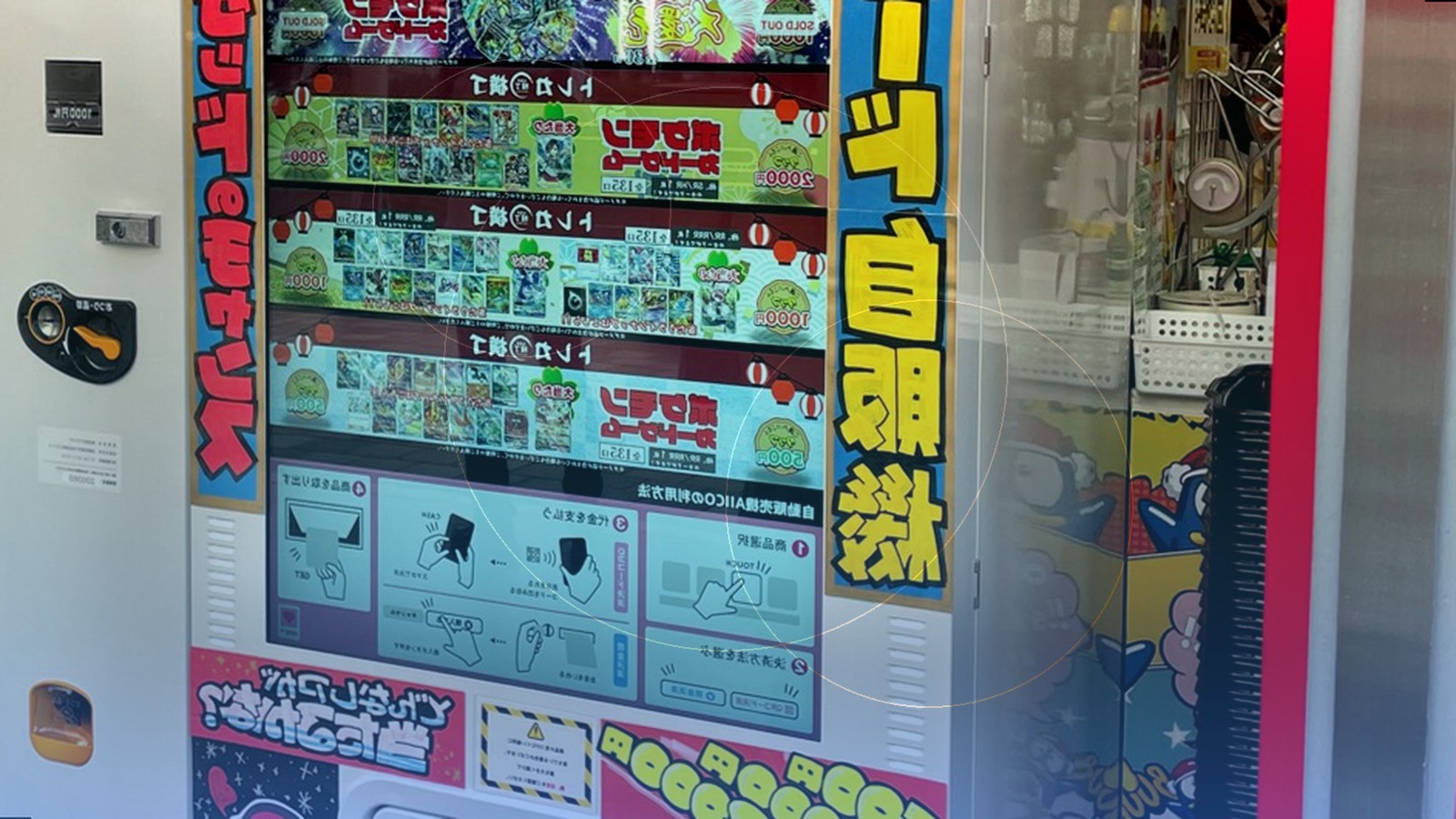
Pokemon card price checker routine: avoid stale numbers before you buy, sell, or trade
A Pokemon card price checker routine for confirming identity, condition, comps, fees, and timing before you trust a value number.
Read article →Explore practical advice on scanning cards, understanding market prices, following new sets, and keeping your collection organized.
A Pokemon card price checker routine for confirming identity, condition, comps, fees, and timing before you trust a value number.
Read article →
A Pokemon card release week budget guide for deciding how much to spend on sealed product, singles, trades, and chase cards during a new set launch.
Read article →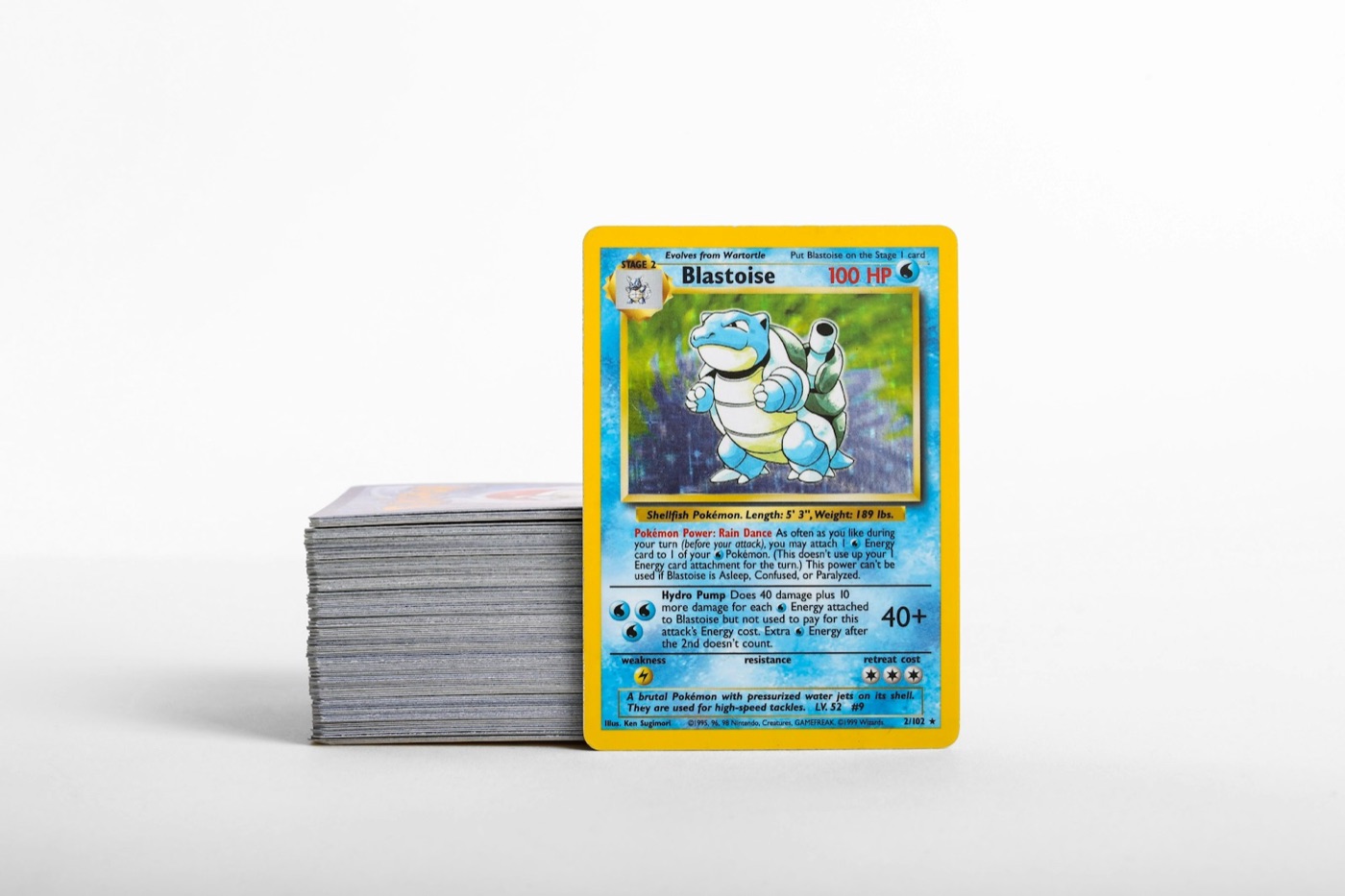
A Pokemon card local pickup checklist for checking identity, condition, quantity, safety, payment, and collection records before a cash deal.
Read article →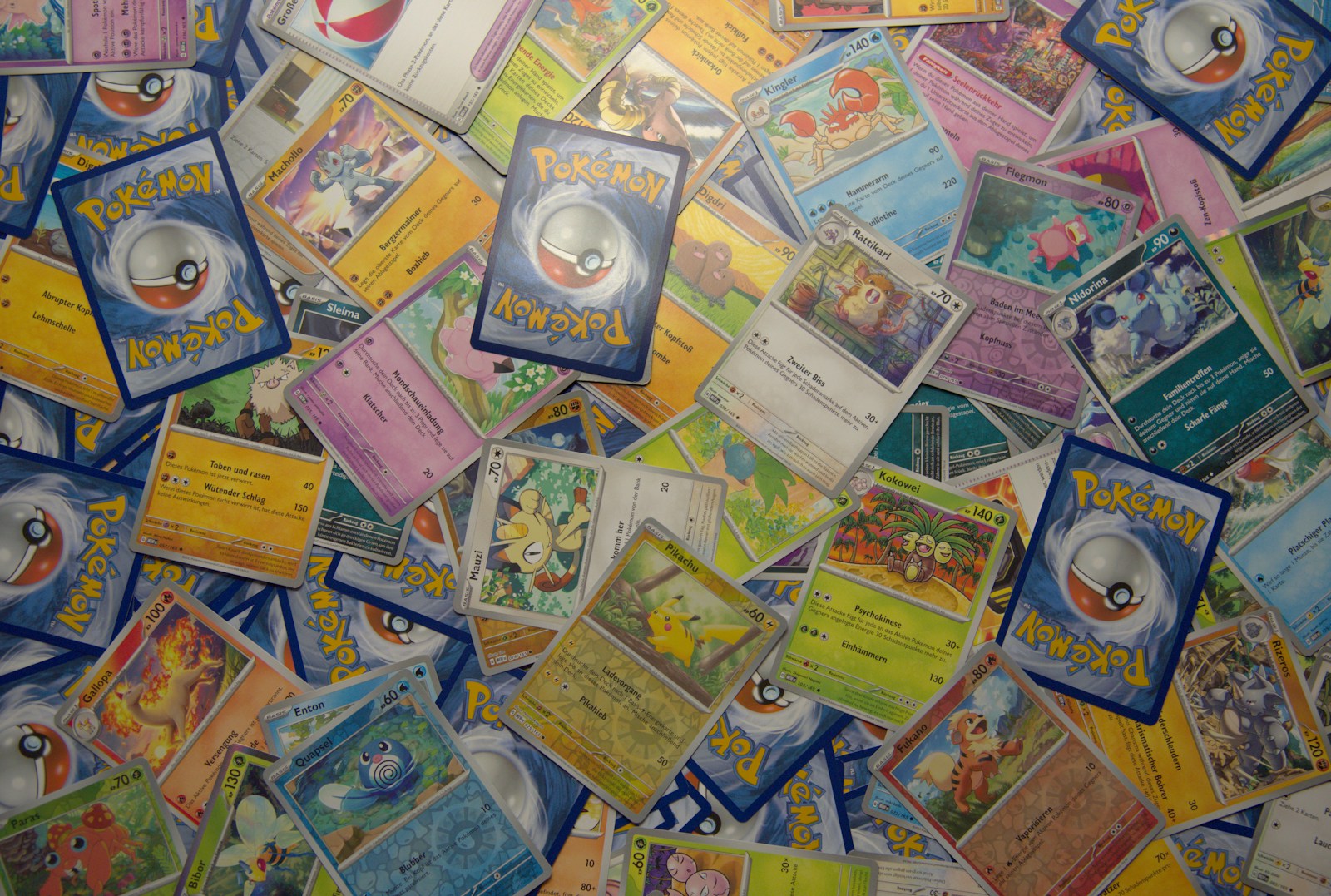
A Pokemon card duplicate selling stack guide for sorting extra copies into singles, bundles, trade cards, bulk, and hold piles before listing.
Read article →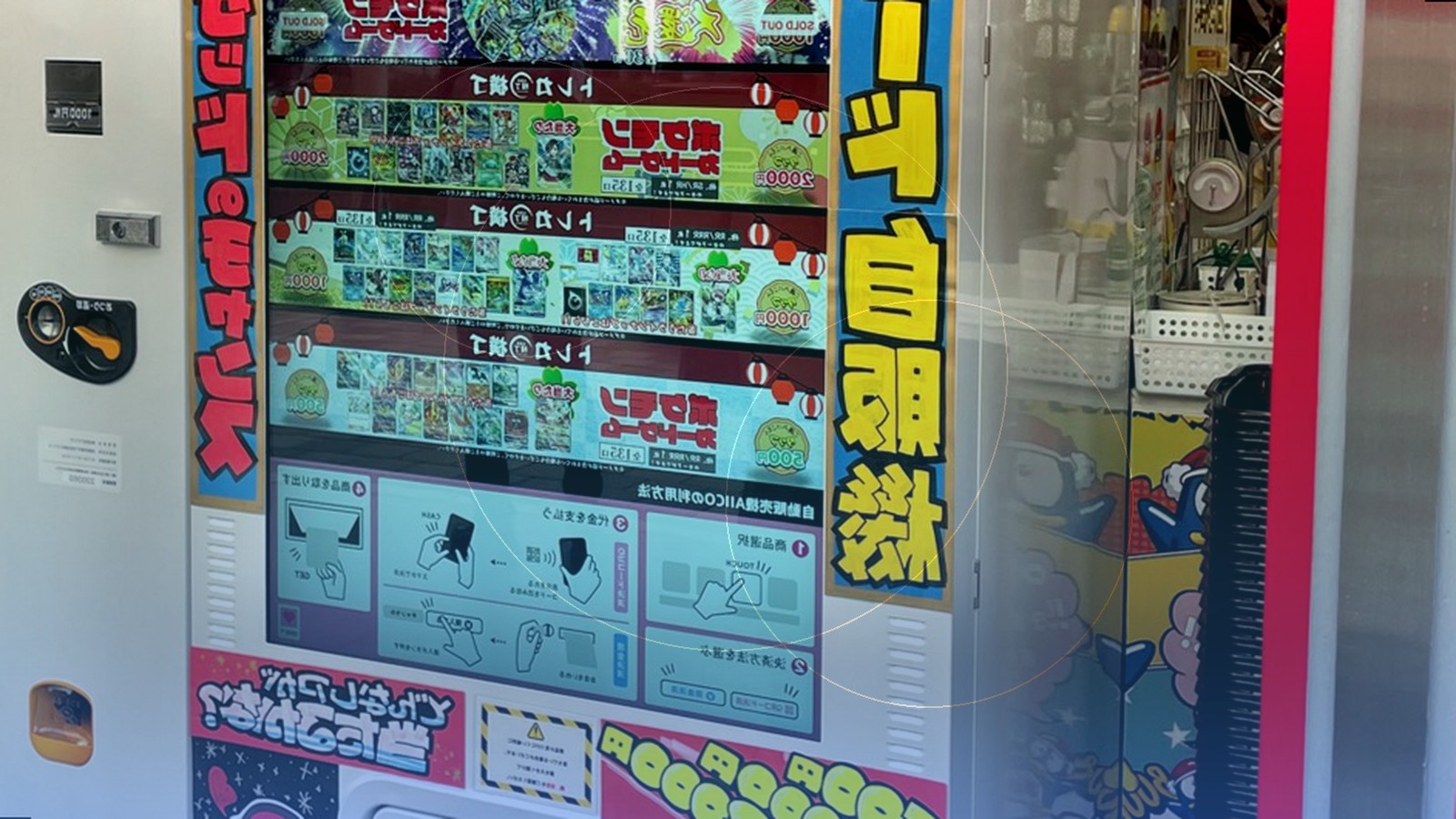
A Pokemon card watchlist refresh guide for updating target prices, condition notes, priority tiers, and buy windows before you chase the next copy.
Read article →
A Pokemon card table price tags guide for labeling singles, slabs, bundles, and discount boxes so buyers understand prices quickly at events.
Read article →
A Pokemon card inventory location system guide for labeling binders, boxes, slabs, sale cards, and bulk so every card has a clear place.
Read article →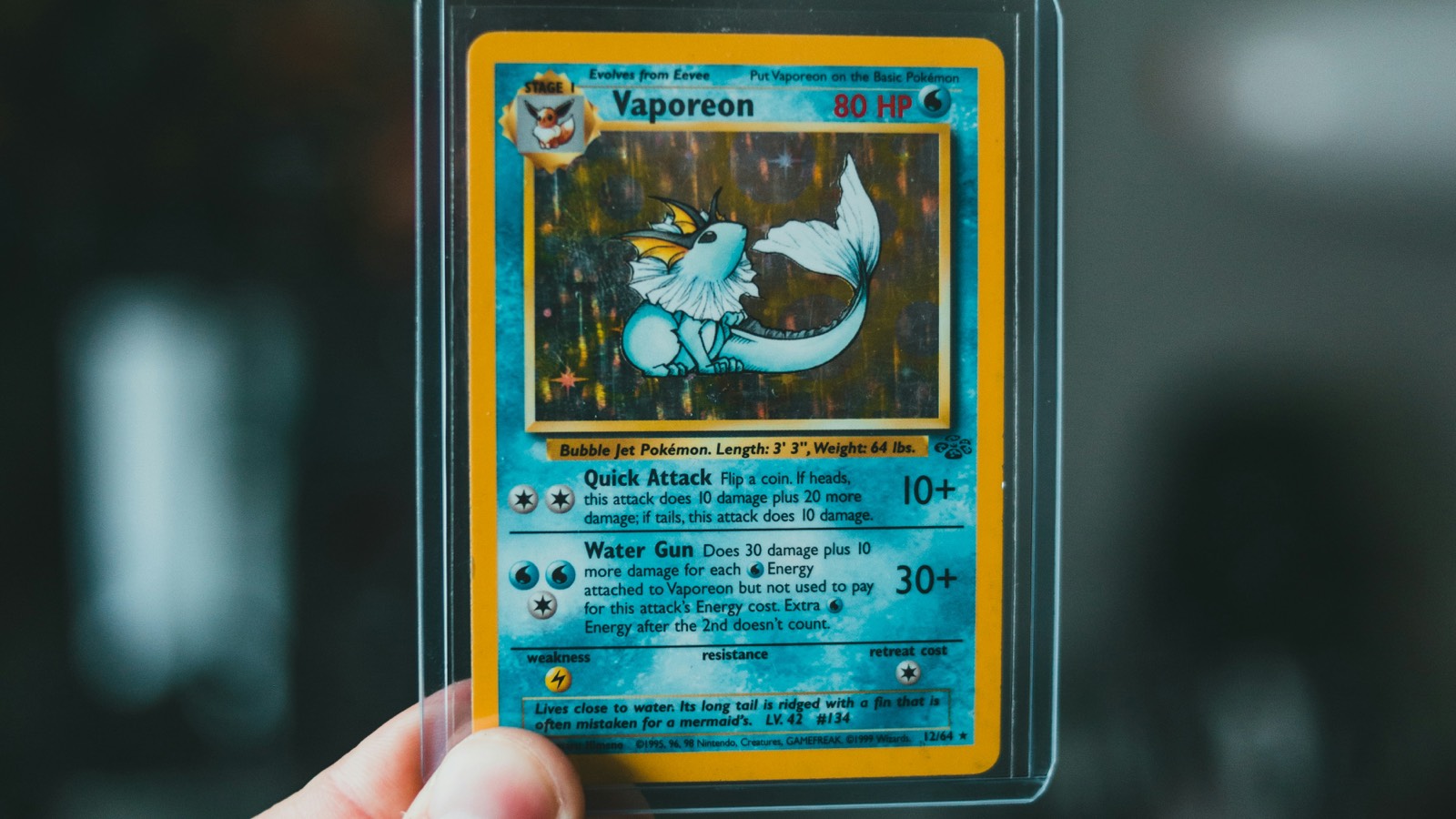
A Pokemon card grading decision tree guide for deciding when a raw card should be graded, sold raw, kept in a binder, or skipped.
Read article →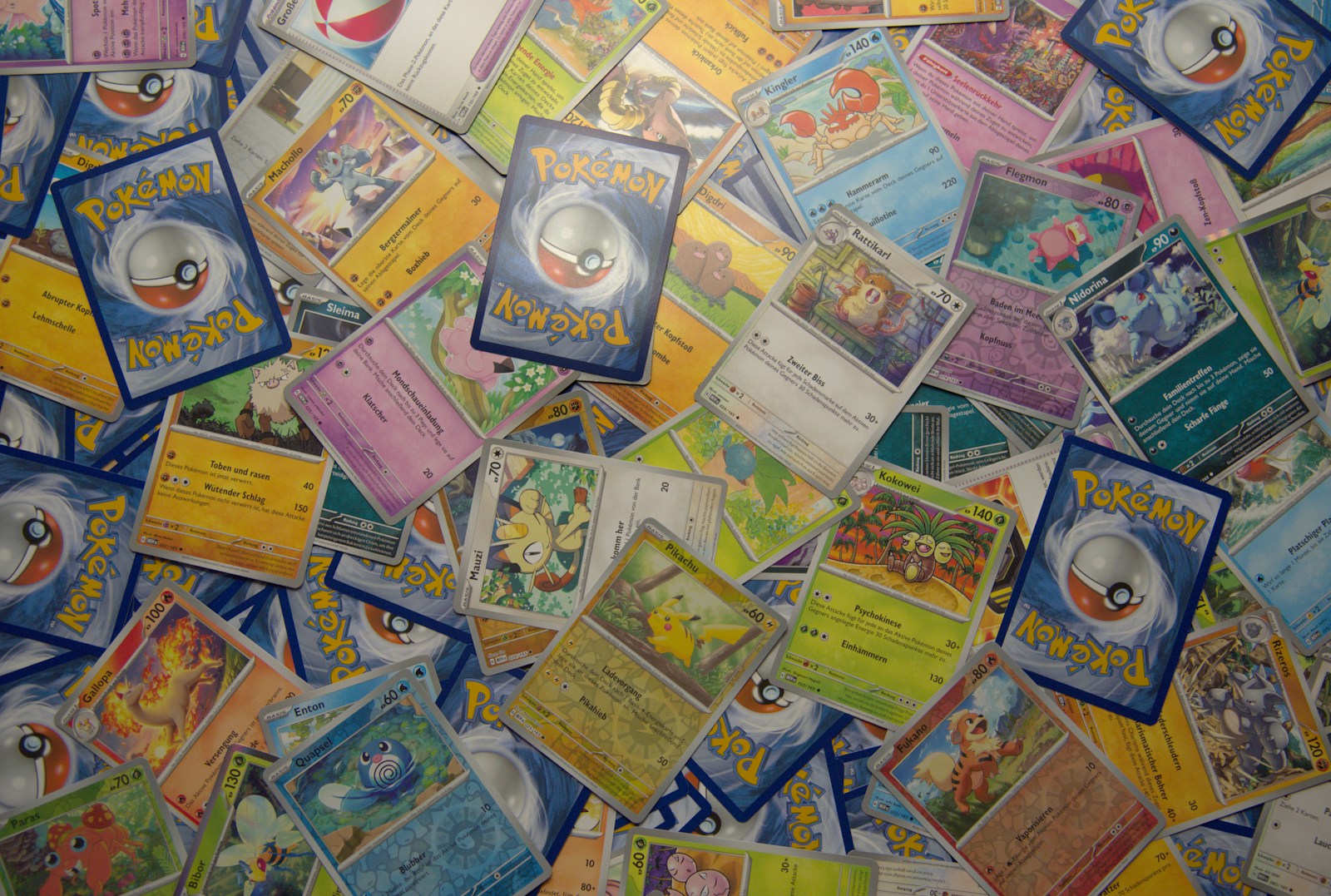
A Pokemon card auction bidding limit guide for setting max bids from comps, condition, shipping, fees, and collection priority before the auction ends.
Read article →
A Pokemon card selling photo checklist for taking front, back, corner, surface, and flaw photos that make listings clearer and reduce buyer disputes.
Read article →
A Pokemon card binder upgrade candidates guide for finding placeholders, cleaner copies, value changes, and cards that should move into better storage.
Read article →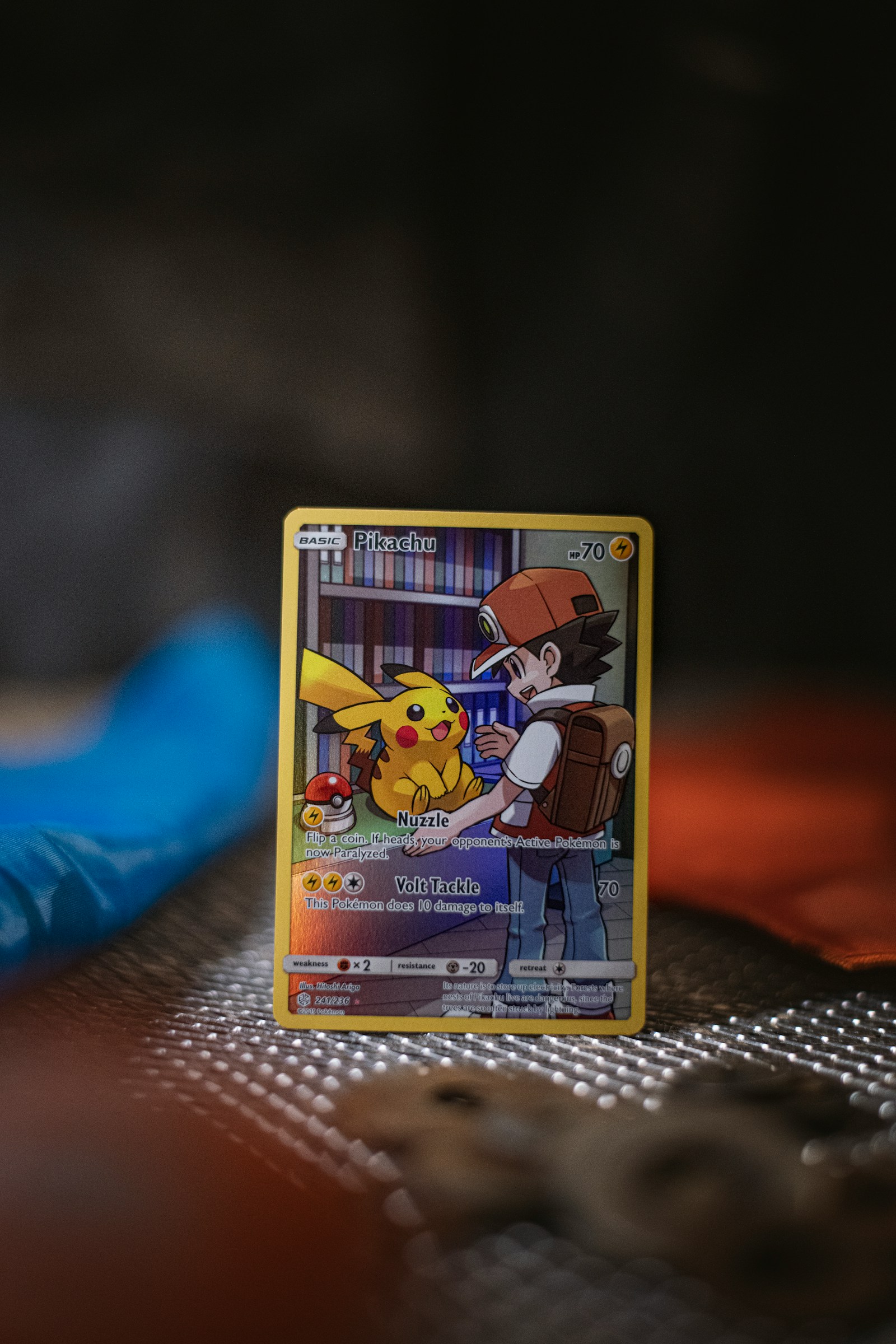
A Pokemon card trade value gap guide for comparing both sides of a swap, handling condition differences, and deciding when cash or extra cards make sense.
Read article →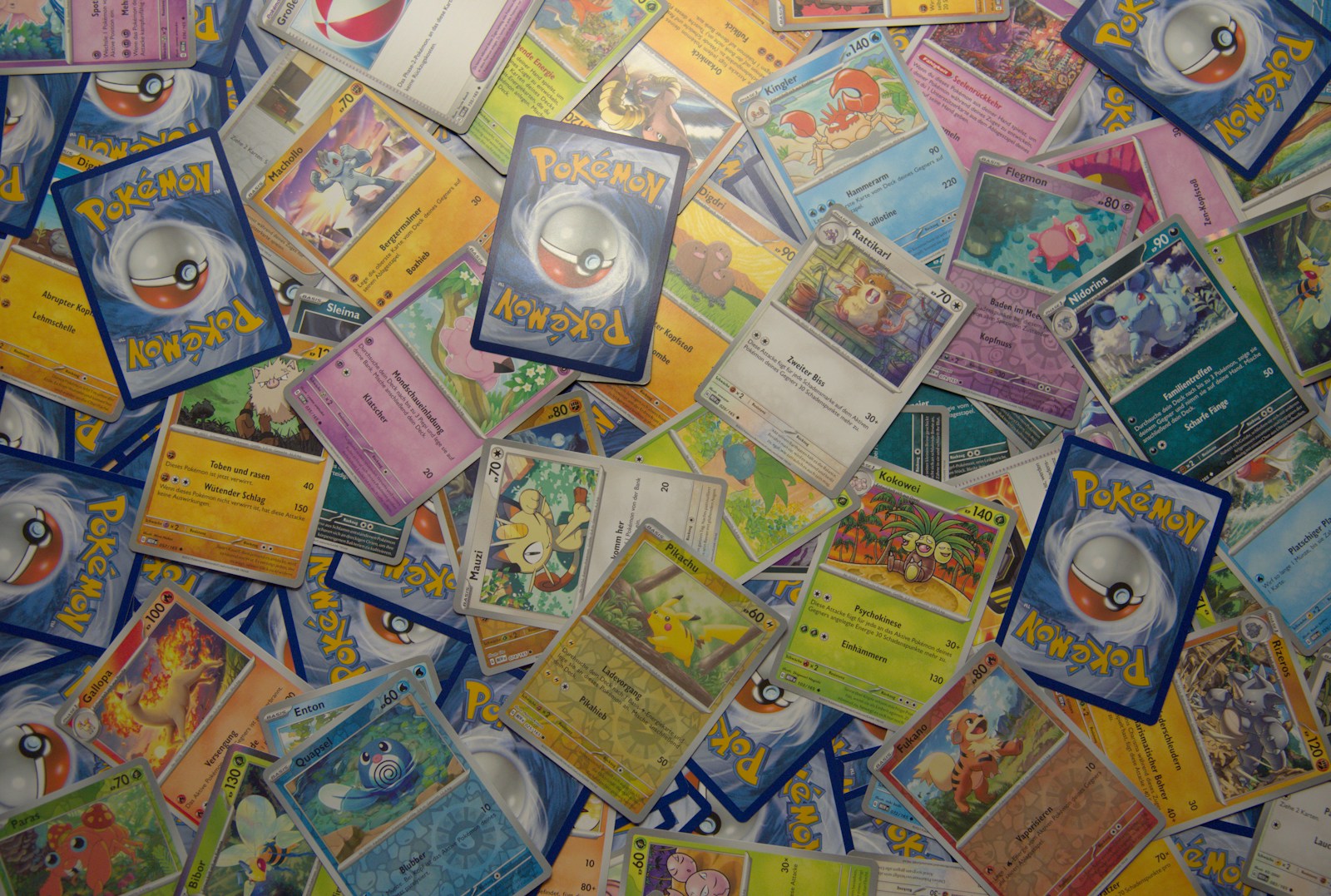
A Pokemon card singles budget ceiling guide for setting max prices by condition, priority, shipping, and collection role before you buy.
Read article →
A Pokemon card monthly binder rotation guide for reviewing pages, moving duplicates, refreshing sale candidates, and keeping collection goals current.
Read article →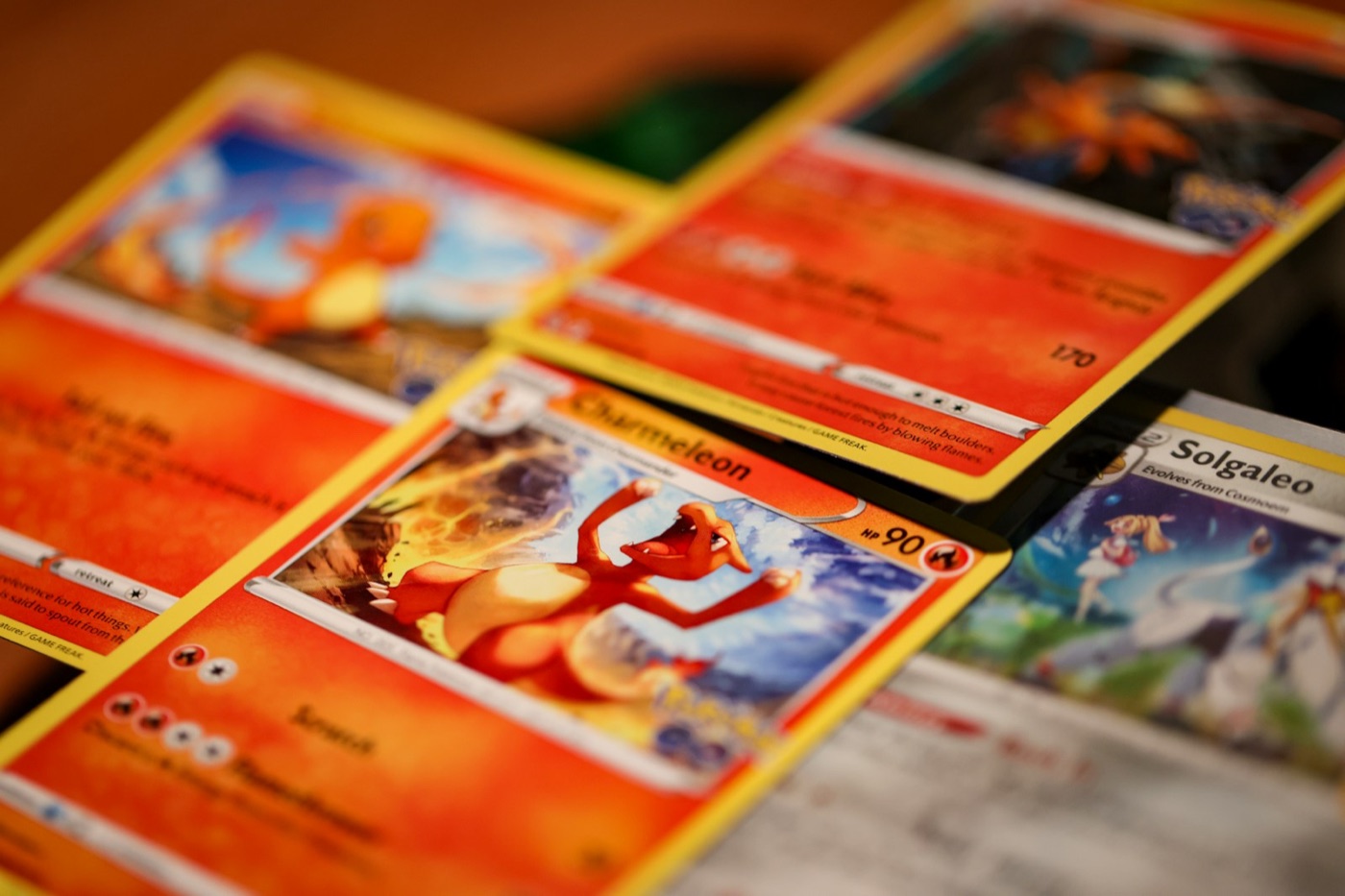
A Pokemon card trade condition notes guide for writing quick, useful card flaws before trade nights, card shows, and local swaps.
Read article →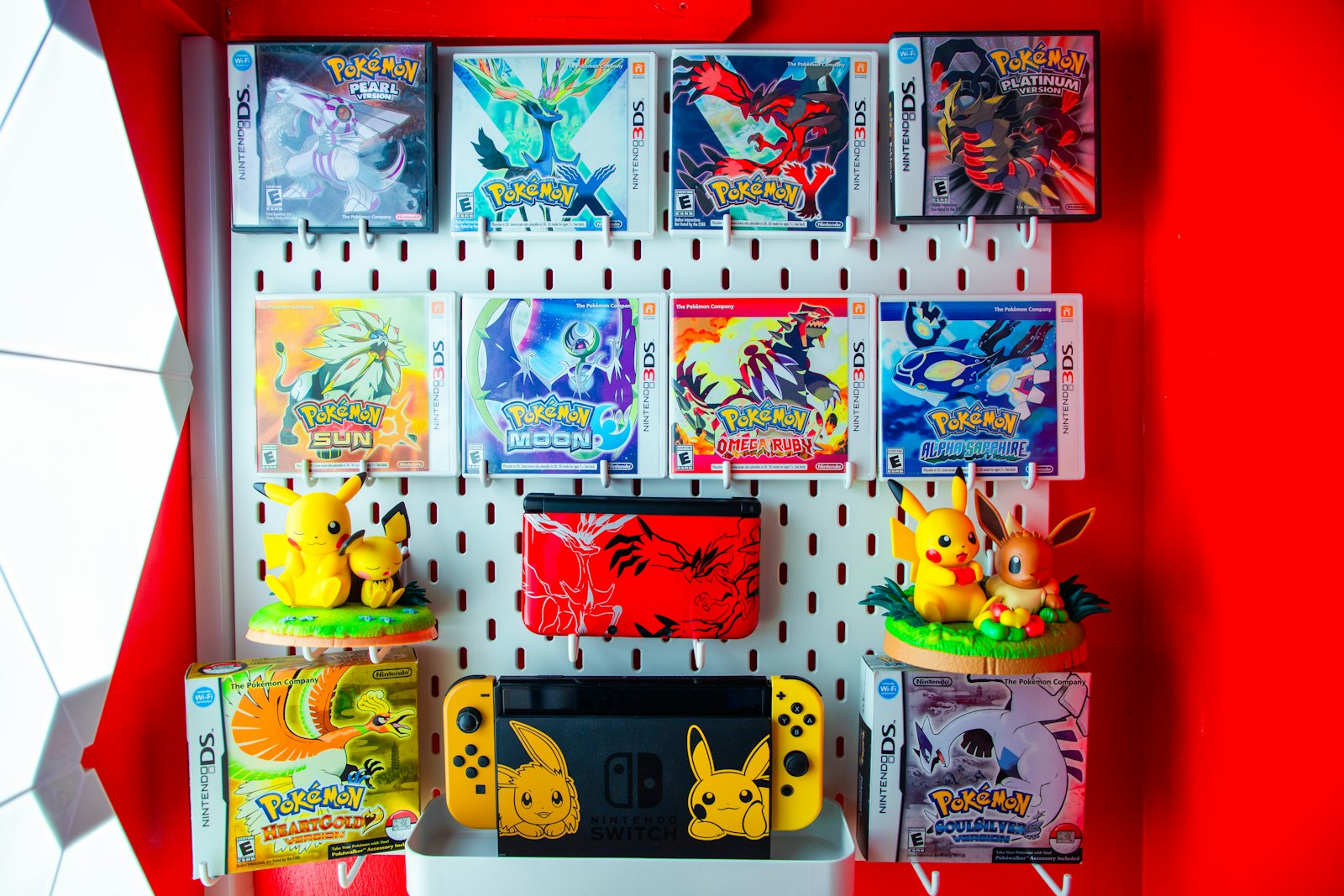
A Pokemon card local shop buying checklist for inspecting singles, comparing prices, checking condition, and recording pickups before you leave the store.
Read article →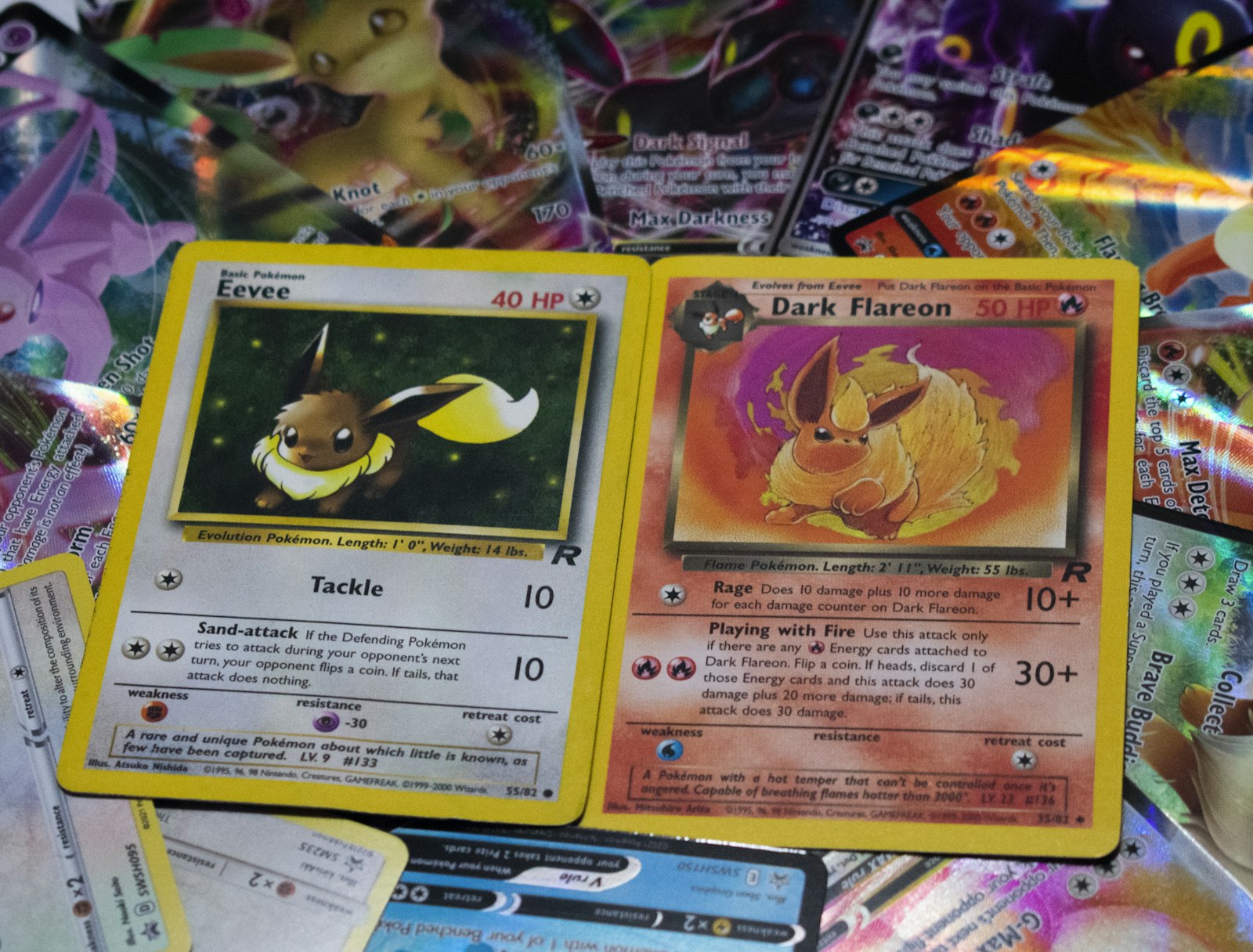
A Pokemon card price drop alert guide for setting useful targets, filtering false discounts, and deciding when a lower price deserves action.
Read article →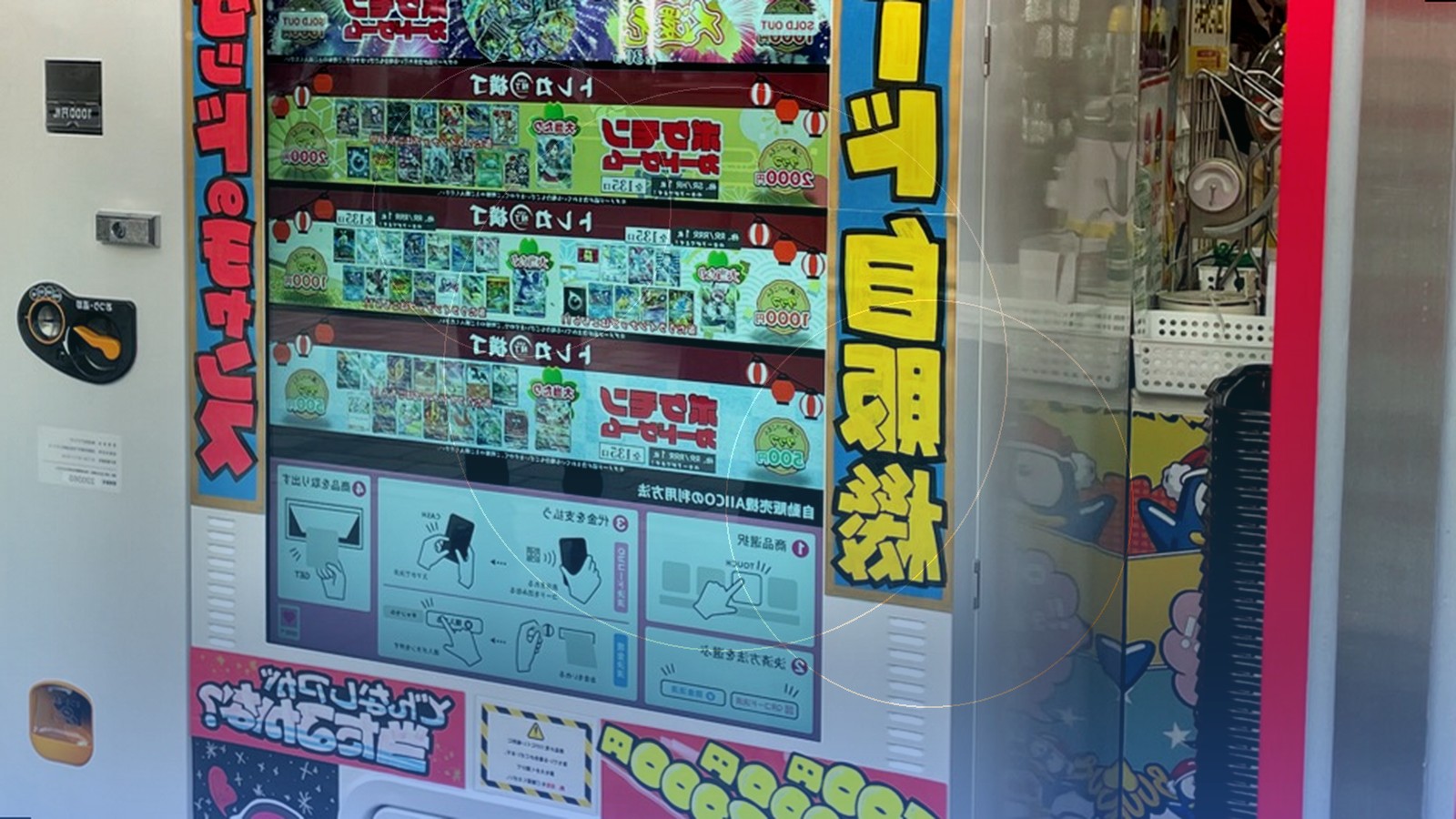
A Pokemon card market watch routine for tracking meaningful price changes, alerts, reprints, condition context, and cards worth acting on.
Read article →
A Pokemon card binder page map guide for organizing set pages, missing cards, variants, placeholders, duplicates, and future upgrades.
Read article →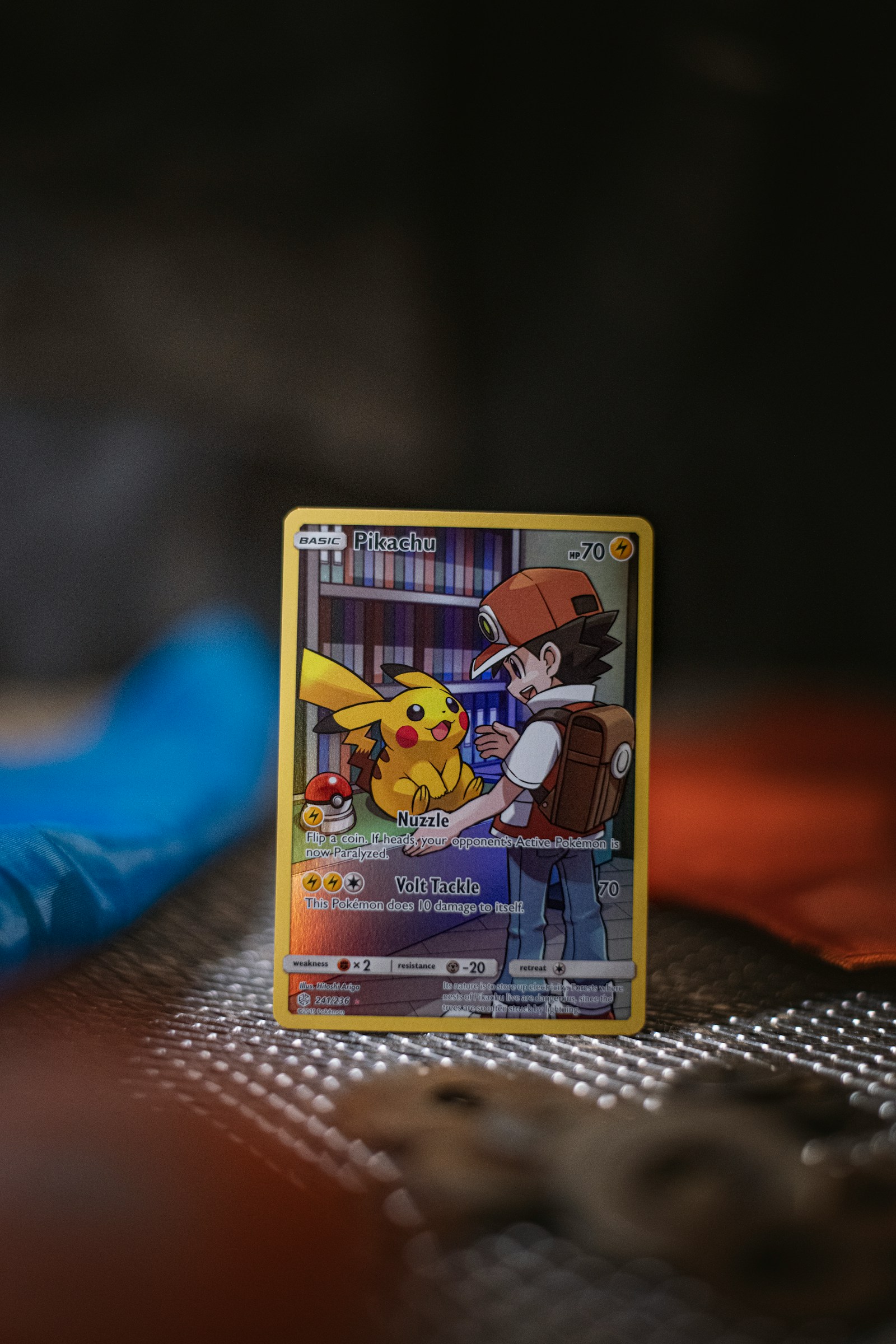
A Pokemon card trade night budget guide for setting cash limits, trade values, wantlist priorities, and rules before a local trading session.
Read article →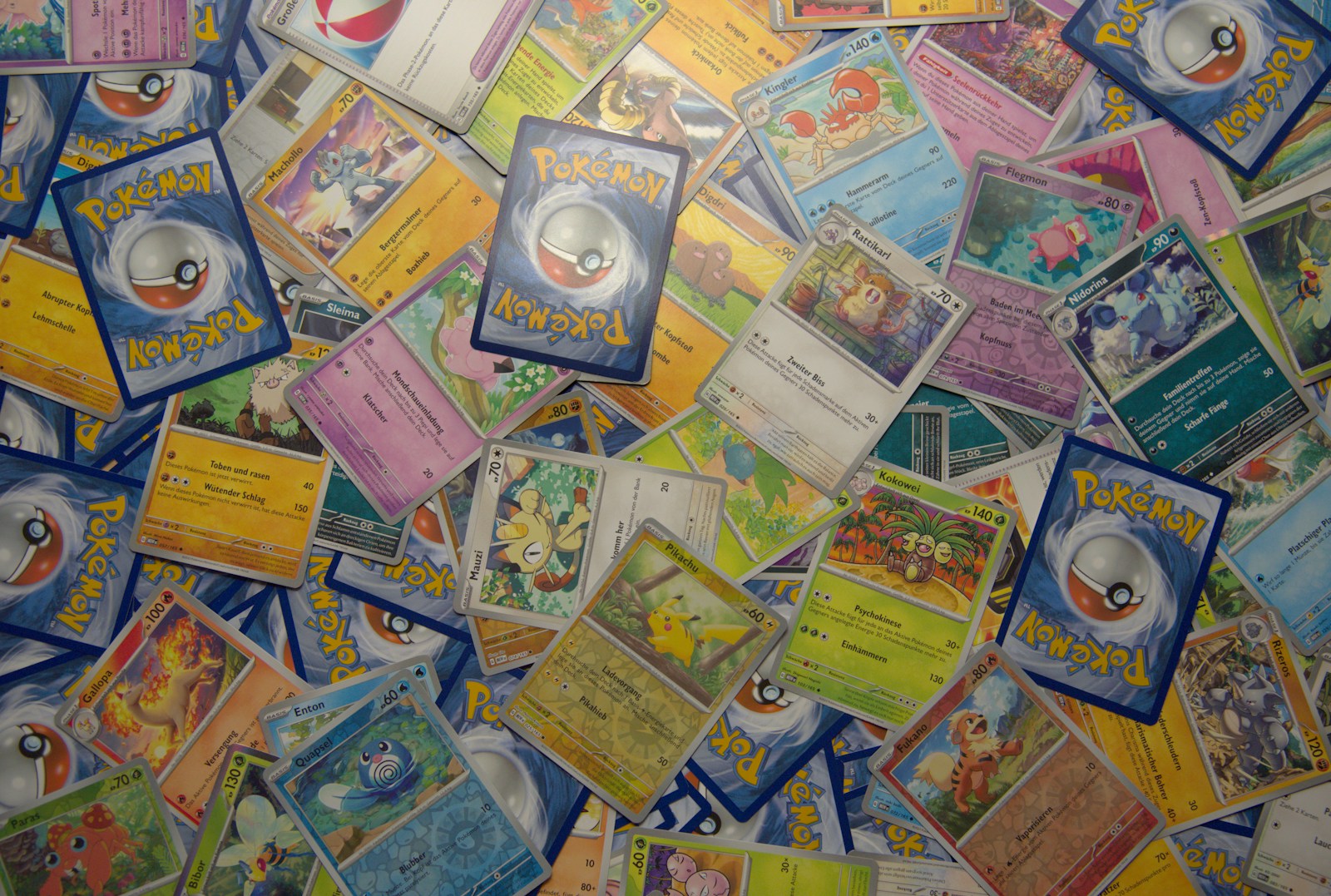
A Pokemon card listing refresh checklist for improving stale marketplace listings with better identity, photos, condition notes, prices, and records.
Read article →
A Pokemon card show price check routine for using a shortlist, comps, condition checks, max prices, and trade values during live card events.
Read article →
A Pokemon card pre-sale collection review guide for confirming identity, condition, photos, price floors, fees, and records before listing cards.
Read article →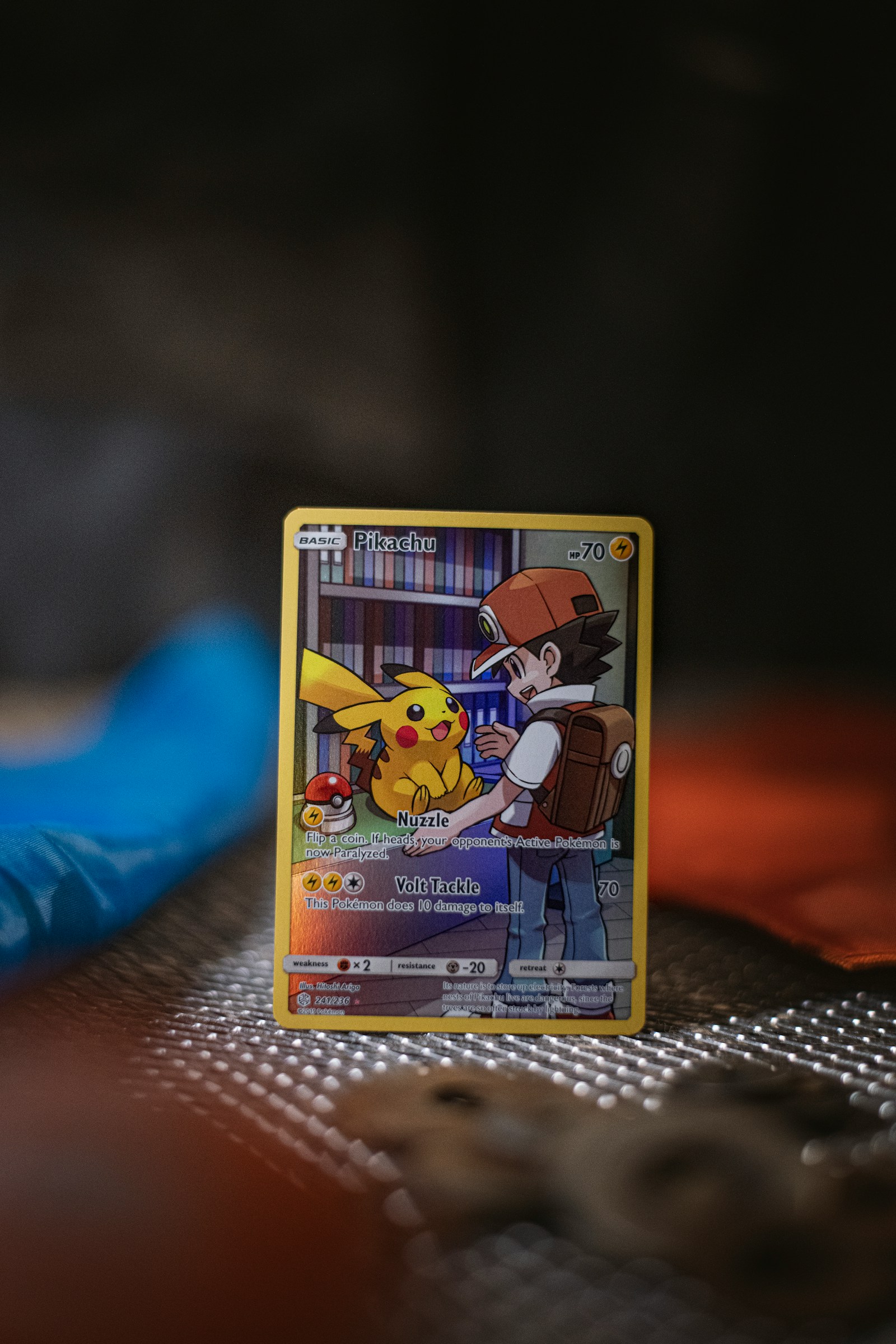
A Pokemon card duplicate trade pile guide for separating extras by condition, demand, set needs, trade value, and cards better sold than swapped.
Read article →